QUALITY
Measured quality. Repeatable results.
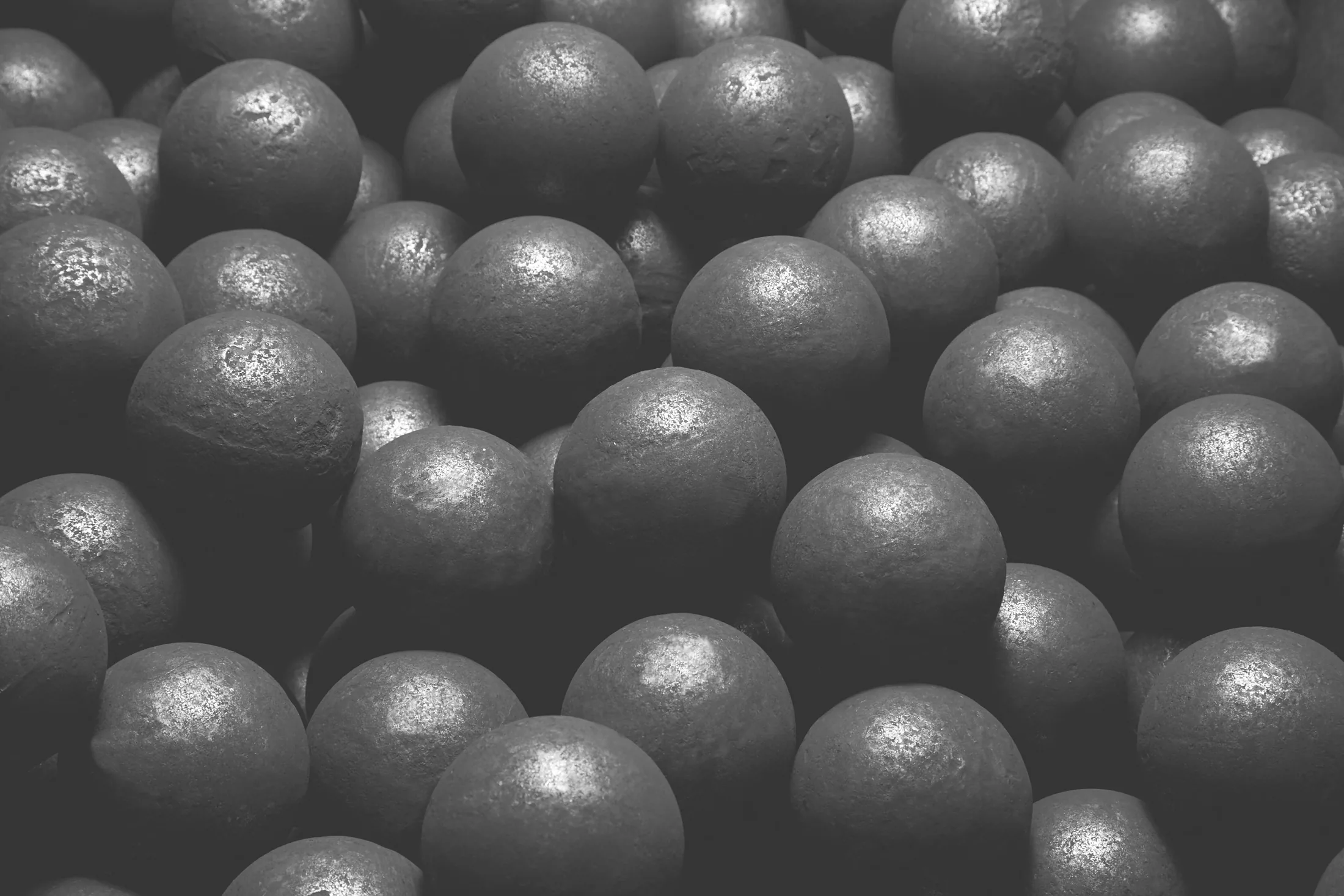
Grinding balls are consumable components used to reduce ore particle size in mills. Their service life and performance are evaluated according to the conditions they encounter in operation: impact, friction against the liner, abrasive wear from the ore and corrosion, particularly in wet environments.
Grinding Media Selection Criteria
- Ore hardness and workability
- Feed size and target product size
- Pulp density and pulp level
- Mill size and speed
- Feed rate
Metallurgical characterisation is critical to long service life and reliable performance. Measurements include chemical analysis, hardness, microstructure and retained austenite. High-quality balls reduce grinding and replenishment costs. Grindballs maintains continuous quality control through advanced production technology and careful material selection, supporting uninterrupted grain flow, consistent geometry, stable performance, long service life and the correct metallurgical structure.
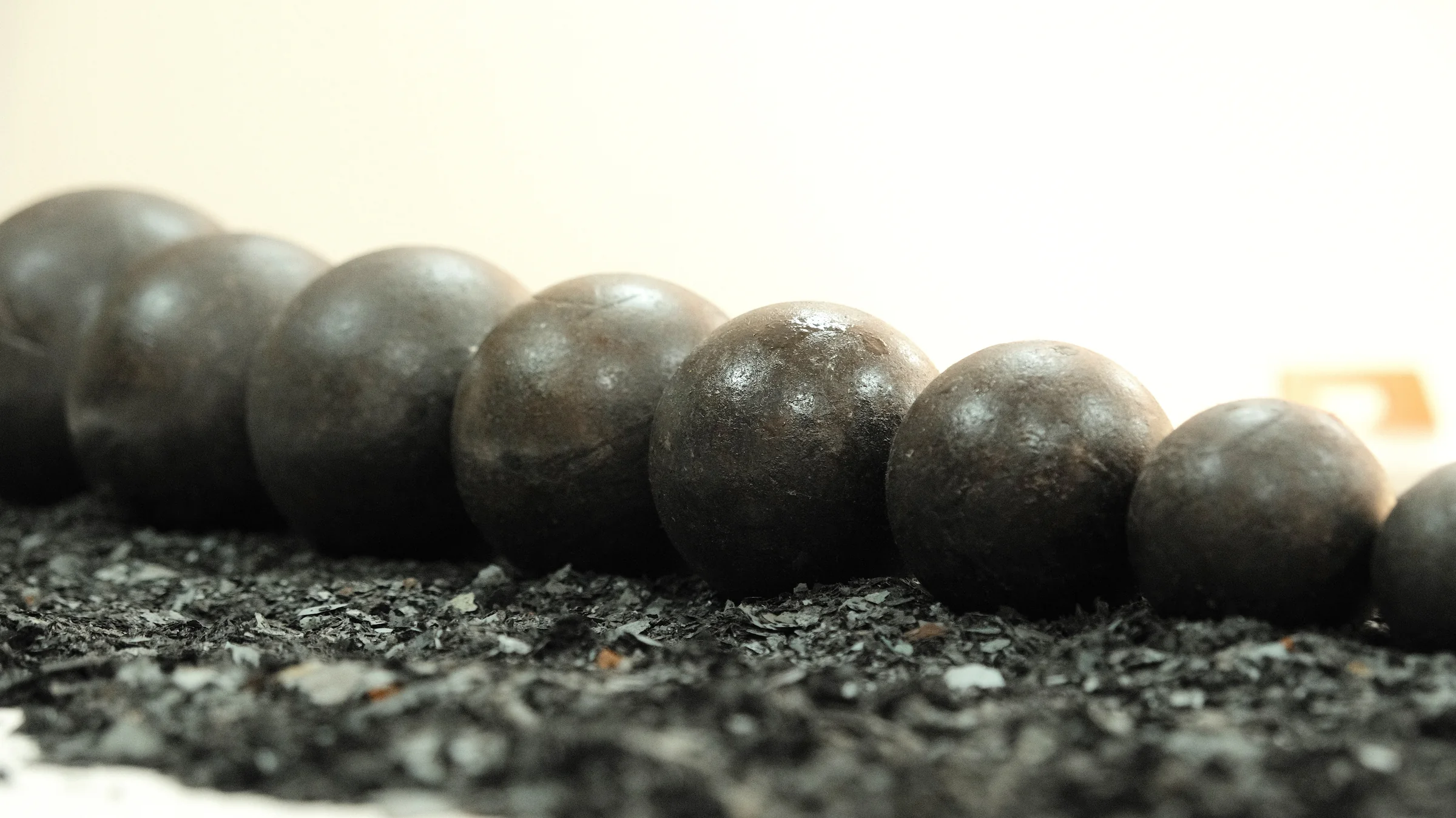
Testing begins when raw material enters the stock area and continues through production to the finished product. Grindballs products have uniform hardness from surface to core, while their volumetric hardness distribution provides high wear resistance. The balls combine a hard, long-lasting exterior with increasing elasticity toward the centre for strong impact resistance. Grindballs uses spectrometers and hardness-testing equipment for chemical and hardness determination; additional external tests can be arranged for specific customer requirements.
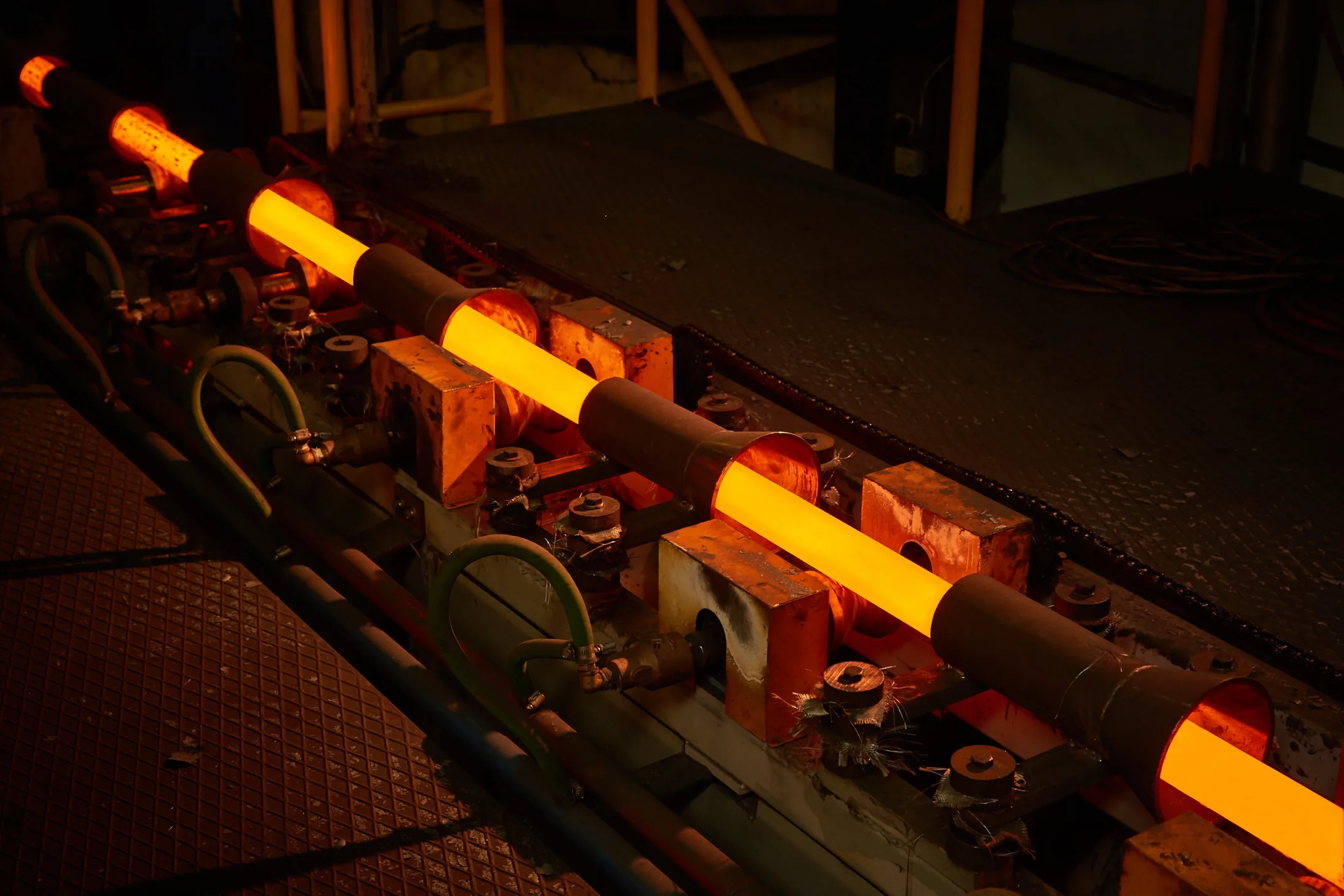
Drop Test
The repeatable drop test measures resistance to free fall and sudden impact. The impact plate has a higher hardness than the ball. Steel balls are dropped vertically and tested against customer specifications. A second drop-test machine has expanded our quality-control capacity and enables more precise, dependable results.
Why Perform a Drop Test?
- Measure, define and evaluate product impact tolerance.
- Assess the effect of grinding balls in ball, AG and SAG mills used in mineral-processing plants.
- Confirm design accuracy.
- Measure required standards before mill use and provide customers with reliable product information.
Drop and impact testing provides detailed technical information about product behaviour under load and helps determine quickly whether international-standard requirements are met.